Discover San Diego's Premier Scuba Diving & Party Boat Experiences – Marissa Charters

top of page

Scuba San Diego Dive Sites List

Coronado’s Are a Must-Do!
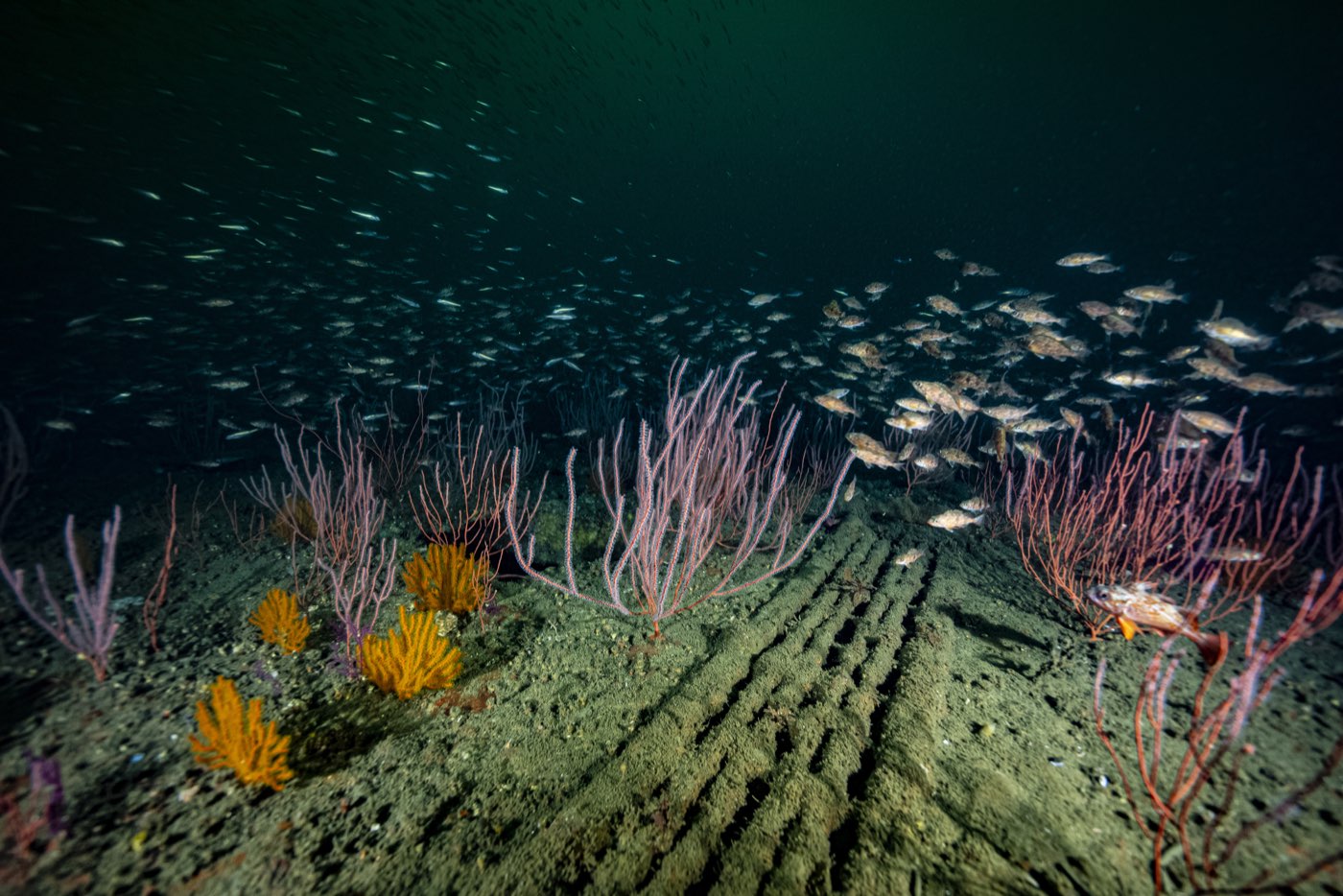
Just off the coast of Baja California lies the rugged and remote archipelago known as the Coronado Islands — a unique dive destination that offers more than your typical day-trip. Although you're only a short boat ride from San Diego, you’ll be immersed in Mexican waters, surrounded by clearer seas, abundant marine life, and a wild-water vibe that feels far from your shore-dives. 
You will see:
Playful sea lions: The pups are curious and interactive — expect them to buzz past you, blow bubbles, or pop into your frame unexpectedly. 
Diverse reef life: From Garibaldi and moray eels to scorpionfish, two-spot octopus, and other macro critters, the ecosystem is rich. 
Signature dive terrain: Sites like “Lobster Shack”, “Keyhole”, and “Middle Grounds” present a mix of shallow vistas, drop-offs, arches, and ledges — plenty of variety for different experience levels. 
Surface pass featuring big water: On our return trip, we’ll skim over deep channels and the trench near the islands — a chance to watch dolphins or whales from the deck as the sun begins to dip.
Typical Conditions & Gear Tips
Visibility: On a good day, expect 30-70 ft (9-21 m); average hovers around 50 ft. 
Water temps: Surface temps often in the 60-70 °F (15-21 °C) range. Deeper or thermocline zones may drop into the low 50s °F (10-12 °C). 
Recommended gear: Since you’ll dive several sites in one day, and conditions can vary, plan for a 7 mm wetsuit (or equivalent), hood, booties, and gloves. Surge can occur, especially in arches or channels.
Bonus tip: Because it’s a full-day charter, a dry-bag with a change of clothes and a light towel will keep you comfortable for the ride back.
Our Full-Day Format (Curated for Your Boat Charter)
Early morning departure from Mission Bay / San Diego.
Transit to the Coronado’s; we’ll conduct 3 guaranteed dives, with a potential 4th if time and conditions permit.
On-board refreshments and snack breaks between dives (you know we’ll have food sorted).
Post-dive return leg where we cruise above the trench/deep channel, scanning for whale and dolphin sightings — the perfect surface finale to your underwater adventure.
Arrive back late afternoon, greeted by smiles, stories, and plenty of photo-op fodder.
Don’t just dive — go big. Join us for an unforgettable day at the Coronado’s: swim with sea lions, explore underwater terrain you won’t get from a shore dive, and wind down on deck with wildlife on the horizon. Bring your passport or passport card, pack your gear (or rent from us), and reserve your spot on this full-day ocean immersion. Limited seats*— grab one before they fill up.

Coronado Islands - Baja California, Mexico

This rocky reef  structure-centric dive site, houses cervices and crags, caves and cliffs, this site will not disappoint! Covered in newly sprouted kelp, tons of nudibranchs and other local characters. Tons of sea life can be found here, including nudibranchs, a variety of bass, bat rays, sea stars, and much much more.

Scout's Out

Minimum Certification: Advanced Open Water

This rocky reef is covered in newly sprouted kelp, tons of nudibranchs and other local characters. The rocky reef structure is AMAZING -  with medium sized caves, crevices, huge shelves, and vertical cliffs as large as 30’ tall. Tons of sea life can be found here, including nudibranchs, a variety of bass, bat rays, sea stars, and much much more.

Captains Mast

Minimum Certification: Advanced Open Water

this brand new site has been a hit each time we visit it. With a little bit of everything-sandy bottom, giant rocky crevices, Giant kelp, Garibaldi , horn sharks, ling cod and of course tons of nudibranchs! It is a dive that you won't want to miss.  Check out our you tube video on both of these sites for a sneak preview.

Divers Disne-yLand

Minimum Certification: Openwater

The Train Wheels dive site derives its name from the prominent feature found here – a set of train wheels lying on the ocean floor. Multiple sets of train wheels can be observed, and their presence in this underwater environment sparks curiosity. The origin and purpose of these train wheels remain speculative, with some suggesting they might have been used as anchors or ballast on a smaller cargo ship, while others believe they might have served as part of an exercise for Navy divers.

Regardless of their history, witnessing these train wheels amidst the underwater landscape is an intriguing sight. The juxtaposition of train wheels in an ocean setting creates a fascinating and out-of-place atmosphere. Divers exploring the Train Wheels site will undoubtedly find themselves pondering the mystery behind these unexpected artifacts while enjoying the beauty and allure of the underwater world at depths ranging from 60 to 100 feet.

Train Wheels South Point Loma

Minimum Certification : Advanced Open Water with 20 cold water dives

Murray Head, a deep ocean mound located near Scripps Canyon, promises an exciting and rewarding dive. As you descend to approximately 150ft, the seawall comes to life, adorned with a plethora of marine creatures. Prepare to encounter nudibranchs, rockfish, and impressive giant sheepshead thriving in this vibrant underwater habitat.

Diving at Murray Head offers a unique opportunity to explore the diverse marine life that populates the seawall. With depths ranging from approximately 190ft to 220ft, this site caters to experienced divers seeking an extraordinary underwater adventure. As you immerse yourself in this deep ocean world, Murray Head is sure to leave you with unforgettable memories of the vibrant and captivating marine ecosystem it harbors.

Murray Head Ocean Mound Dive Site

Minimum Certification : Normoxic Trimix Minimum Technical Certification Required (or equivalent)

Scripps Canyon is a deep underwater canyon and wall located near Scripps Pier. The canyon reaches depths exceeding 1000ft, creating opportunities for pelagic fishes to swim up and make occasional appearances. This site primarily offers a wall dive experience, with the canyon walls starting around 90ft and descending to approximately 250ft.

While there is a possibility of encountering large sharks, tuna, and dolphins, it is more common to observe fascinating marine life such as swell sharks, colorful nudibranchs, gorgonians, sponges, plume anemones, strawberry anemones, rockfish, sheepshead, octopi, crabs, and various other species.

Diving in Scripps Canyon promises a diverse and captivating experience, with a rich array of marine creatures to encounter along the canyon walls. As you explore the depths ranging from approximately 120ft to 250ft, the underwater world of Scripps Canyon will undoubtedly leave you with unforgettable sights and encounters with the diverse marine ecosystem dwelling in this remarkable dive site.

Scripps Canyon Wall La Jolla

Minimum Certification : Advanced Open Water with 20 cold water dives

Depth ~ 155ft
Minimum Qualifications: Advanced Nitrox/Deco Certification

The MISSILE TOWER, formerly utilized by the US Navy for testing Trident submarine missiles, boasts a unique and intriguing structure resembling a miniature castle. With dimensions of approximately 60' in height and 25' square on the sides, it features a catwalk encircling the perimeter. After completing its service in 1993, the tower was purposefully sunk as an artificial reef in approximately 165' of water.

Now resting on its side, the tower is adorned with Metridium anemones, a common feature of many deeper dive sites in the area. Within the center of the structure, divers will find a large tube with a diameter of around 10'.

Diving at the MISSILE TOWER site is reserved for advanced divers with the necessary training in Nitrox and Decompression procedures. As it lies at a depth of approximately 155ft, proper qualifications and equipment are essential to ensure a safe and enjoyable dive.

To catch a glimpse of this fascinating underwater site and access spectacular pictures, you can refer to the description provided by Ashley Armstrong at AshUnderwater.com. The MISSILE TOWER offers a unique opportunity to explore a former Navy structure turned artificial reef, providing divers with a remarkable and unforgettable experience.

Missile Tower Technical Dive Site

Minimum Certifications: Advanced Nitrox/Deco Certification

The P-38 Lightning, found at a depth of around 135ft, encountered an unfortunate accident in 1945 while flying in formation. The plane hit the prop wash of the aircraft in front of it, leading to a collision with the ocean's surface and subsequent crash.

Measuring 37' 16" in length with a wingspan of 52', the P-38 Lightning has succumbed to the corrosive effects of saltwater over the years. Nevertheless, the wreck remains a captivating sight. The skeletal wings and body of the plane have transformed into a colorful habitat, adorned with strawberry anemones, red gorgonians, sea cucumbers, and several varieties of rockfish, sheepshead, and lingcod.

Diving to explore the P-38 Lightning wreck offers a unique opportunity to witness the remains of a historical aircraft resting on the ocean floor. The vibrant marine life that has made the wreck its home adds to the allure of this fascinating underwater site. As a technical dive, it requires proper training and equipment to ensure a safe and enjoyable exploration of this wonderful wreck.

P-38 Lightning Wreck

Minimum Certification: Advanced Nitrox/Deco Certification

The F-4 Phantom II jet was discovered in 1994 during a sonar search conducted to locate a downed plane carrying over $100 million in bank receipts. Dave Miller, tasked with finding the plane and its contents, came across the F-4 Phantom II, as well as the P-38 and other structures during his side scan.

It is believed that the F-4 Phantom II crashed in 1966 during military training exercises off the coast of Del Mar. The plane experienced a loss of control, leading the pilot to eject and suffer minor injuries.

For more visuals of the F-4 Phantom II wreck, you can view the video shared by Drew Wilson at [F-4 Phantom II - Video](https://www.youtube.com/watch?v=CMkWfvnWmU4&feature=youtu.be). The footage provides an exciting glimpse into this historical underwater site. 

Due to its depth of approximately 150ft, this dive requires advanced technical skills and proper equipment. Exploring the F-4 Phantom II wreck offers a unique opportunity to witness a piece of military history resting on the ocean floor.

F-4 Phantom II Wreck

Minimum Certification: Advanced Nitrox/Deco Certification

The Corsair Plane is a recently discovered dive site, and our research into its history is still ongoing. Downed at approximately 120 feet of water, the plane's wreckage is recognizable but fragmented. Fish netting partially covers the engine and wings. The wings and cabin section lie about 20 feet behind the engine, while the fuselage is located approximately 15-20 feet behind the wings/cabin.

The wreckage is adorned with sealife, making it an exciting new addition to San Diego's diving community. For more detailed information and photos, you can refer to Brett E's comprehensive description at https://wreckedinmyrevo.com/2020/10/25/f4u-4-corsair-engine-detail/. The photo displayed here is also provided by Brett E.

Given the strong currents in the area, divers must exercise caution and possess strong navigation skills to ensure a safe return to the anchor point. The Corsair Plane dive promises an intriguing experience for those with a passion for exploring underwater wrecks and uncovering their history.

Corsair Plane Dive Site

Minimum Certification: Advanced Level Diver with 100 recent San Diego Dives
Caution: Strong Currents - Must be able to Navigate back to the anchor!

Pontoon Causeway is a recently discovered dive site, suitable for advanced divers with at least 100 recent dives in San Diego. The site lies at a depth of approximately 130ft and requires strong current management due to its proximity to the main shipping lane. Divers must possess navigation skills to return to the anchor safely.

The dive begins at about 131ft, leading to a 30'x100' (approximate) rectangle-shaped barge structure at 125ft depth. The barge stands about 5 feet tall and contains small splits that serve as shelter for lobsters, fish, and other marine life.

The surrounding sandy seabed features scattered rocks with schools of fish. Plant life is limited around the area, but the barge itself displays nudibranchs, gorgonians, and coral formations.

Pontoon Causeway offers an excellent opportunity for a deep specialty dive, providing divers with a technical and intriguing underwater experience.

Pontoon Causaway

Minimum Certification: Advanced Level Diver with 100 recent San Diego Dives

Caution: Strong Currents - Near Main Shipping Lane - Must be able to Navigate back to the anchor!

The USS Hogan (DD-178) was a valiant Wickes-class destroyer that served in the United States Navy during World War II. Launched on 12 April 1919 by Union Iron Works in San Francisco, California, she played a vital role in torpedo firing exercises for U.S. battleships in the Pacific. After her service, Hogan decommissioned at San Diego on 27 May 1922.

Recommissioned on 7 August 1940, the USS Hogan underwent conversion to a high-speed minesweeper, reclassified as DMS-6. Her activities included minesweeper training and patrol duties in the Caribbean and along the Eastern Coast, and she played a crucial role in the battle of Iwo Jima.

For her gallant service during World War II, the USS Hogan was honored with six battle stars. However, in November 1945, her journey came to an end when she was used as a target ship for firing tests and eventually sank.

Today, the USS Hogan wreck lies south of the Point Loma peninsula on the US-Mexican border, beckoning adventurous divers to explore her intriguing remains. Resting just far enough from San Diego's dive boats, she offers a real treat to divers seeking an extraordinary experience.

As you descend to the wreck at a depth of approximately 130 feet, you'll be greeted by an impressive sight. Covered in an array of fish, with lingcod being particularly notable, the Hogan wreck offers a lively and colorful underwater spectacle. It also serves as the home of several fascinating wolf eels, adding to the allure of this historical site.

The wreck is now in several pieces, with the bow section resting on its starboard side, and the stern sitting upright. Although much of the structure has collapsed, you can expect a rewarding 125-foot dive forward of the stern section, offering the most relief on the whole site.

During your ascent, you might even receive a visit from a playful sea lion if luck is on your side, adding a delightful touch to an already unforgettable dive.

Embark on a journey into history as you explore the USS Hogan Wreck Dive, where a remarkable underwater adventure awaits those who venture into the depths. Discover the beauty of marine life and the poignant remains of a brave vessel that once served our nation. This exceptional dive promises to leave a lasting impression and a deep appreciation for the stories hidden beneath the waves.

USS Hogan

Minimum Certification: Advanced Level Diver with 100 recent San Diego Dives
Caution: Strong Currents - Must be able to Navigate back to the anchor!

Discover the mysterious wonders of the Ancient Sea Cliffs, believed to be remnants of the ancient shoreline of Point Loma. This dive site stands apart from all others in the Point Loma Kelp, boasting a unique underwater structure that captivates all who venture into its depths.

As you descend into the depths, the rocky reef of the Ancient Sea Cliffs unveils its mesmerizing secrets. The underwater landscape is adorned with small caves, inviting crevices, hidden shelves, and astonishing vertical cliffs that tower as high as 30 feet. These magnificent geological formations create a captivating underwater playground for divers to explore.

The Ancient Sea Cliffs are teeming with a diverse array of sea life, adding to the allure of this extraordinary site. Prepare to encounter a vibrant tapestry of nudibranchs, showcasing their stunning colors and patterns. Various species of bass, bat rays, and sea stars gracefully traverse the rocky terrain, contributing to the captivating spectacle of marine biodiversity.

Exploring the Ancient Sea Cliffs is an immersion into a world of enigmatic beauty, where the past meets the present in a seamless dance of nature's artistry. The site's unique structure and abundance of marine life make every dive a thrilling and rewarding experience.

Join us as we venture into the depths of the Ancient Sea Cliffs, where the secrets of an ancient shoreline await discovery. Embrace the mystery, explore the nooks and crannies, and witness the wonders that lie beneath the waves. This dive site promises an unforgettable journey into the heart of the ocean's history and its vibrant, living ecosystem.

Ancient Sea Cliffs

Minimum Certification: Advanced Open Water with 20+ Cold water dives

Unearthed from the archives, the rarely visited Anchor Management dive site awaits your discovery. Prepare to immerse yourself in a wall adorned with funky rock structures, a plethora of nudibranchs, and the majestic presence of large sheepshead, all contributing to an unforgettable underwater adventure.

As you descend into the depths, the wall of Anchor Management reveals its captivating charm. The funky rock structures create an intriguing and enchanting underwater landscape, inviting you to explore every nook and cranny.

The site is a haven for nudibranch enthusiasts, with an abundance of these colorful sea creatures adorning the rocky terrain. Their vibrant hues and graceful movements add an artistic touch to the underwater canvas.

Large sheepshead make their regal presence known, adding to the allure of this remarkable dive site. Their elegance and grace as they navigate the rocky habitat create a mesmerizing sight for divers to behold.

Anchor Management promises an enthralling dive that you won't want to miss. From the funky rock formations to the vibrant marine life that thrives here, every moment beneath the waves is a treasure to cherish.

Prepare for an extraordinary underwater journey at Anchor Management, where a wealth of wonders lies just below the surface. This rarely visited site holds the promise of unique discoveries and an unforgettable experience for divers seeking to delve into the mysteries of the ocean.

Anchor Management South Point Loma

Minimum Certification: Advanced Open Water with 20+ Cold water dives

Nestled within the enchanting La Jolla Kelp Marine Reserve, Bird Rock is a rocky reef teeming with vibrant marine life. This captivating dive site promises an immersive experience in the wonders of the underwater world.

Situated on the edge between La Jolla's rocky reef and the sandy expanse that descends offshore, Bird Rock offers depths ranging from 55 to 75 feet. The site showcases large rock outcroppings that provide an alluring blend of rocky formations and sandy expanses.

As you explore Bird Rock's underwater realm, you'll encounter a multitude of intriguing rock features. The dive site boasts fascinating rock fingers, small caverns, and inviting holes, each contributing to the site's allure. These diverse rock formations create a dynamic and engaging diving environment.

Moreover, Bird Rock serves as the boundary of the majestic kelp forest, where the lush underwater vegetation meets the open sea. This convergence of ecosystems results in a thriving habitat that supports an abundance of marine life.

Diving at Bird Rock is an opportunity to witness the beauty and biodiversity that thrives within the La Jolla Kelp Marine Reserve. From bustling schools of fish to mesmerizing invertebrates, the site is a haven for nature enthusiasts and underwater photographers alike.

Embrace the enchantment of Bird Rock, as you immerse yourself in the breathtaking underwater landscape and encounter the vibrant marine life that calls this rocky reef home. In the embrace of La Jolla's marine sanctuary, you'll forge unforgettable memories and gain a deep appreciation for the magnificence of our oceanic treasures.

Bird Rock La Jolla

Minimum Certification: Open Water Certified Divers

Located within the captivating La Jolla Kelp Marine Reserve, God's Rock and Quast Rock offer a paradise of marine life and natural wonders. These two rocky reefs are bursting with vibrant ecosystems, creating a diver's dream.

Both dive sites are large rock outcroppings situated right on the edge between La Jolla's rocky reef and the sandy expanse that descends offshore at depths ranging from 65 to 75 feet. The varying relief of these outcroppings adds to their allure, with depths ranging from 5 to possibly 20 feet.

Diving at God's Rock and Quast Rock introduces you to a fascinating world of unique rock formations. As you explore, you'll encounter intriguing rock fingers, small caverns, and inviting holes that beckon you to discover their secrets. The diversity of these rocky features provides an engaging and adventurous underwater experience.

Moreover, these dive sites serve as the boundary of the enchanting kelp forest, offering an opportunity to transition from the lush kelp environment to the open sea. This delicate balance between the rocky reef and the kelp forest creates a thriving habitat that supports a wide array of marine life.

Teeming with life, God's Rock and Quast Rock present a captivating display of underwater biodiversity. From colorful schools of fish to fascinating invertebrates, these sites are a haven for underwater enthusiasts and photographers alike.

Immerse yourself in the splendor of God's Rock and Quast Rock, where nature's artistry and the abundance of marine life combine to create an unforgettable diving experience. In the embrace of La Jolla's underwater treasures, you'll forge cherished memories and a deep appreciation for the wonders of our oceans.

God's Rock & Quast Rock La Jolla

Minimum Certification: Open Water Certified Divers

Welcome to the enigmatic and newly discovered Puzzle Piece Wall, also known as Jigsaw Wall - a breathtaking and secretive dive site. As you venture into the depths, you'll be captivated by the peculiar shapes and table-top-like structures, almost reminiscent of coral heads. The origin of these formations remains a mystery - are they natural wonders, the work of human hands, or even remnants of an ancient alien civilization? The answer lies in your imagination.

The base of the wall begins at an awe-inspiring depth of 116 feet and extends even further. As you ascend the wall, you'll encounter the heart of the action, where most of the intriguing formations lie, averaging between 85 to 90 feet. Despite the depth, visibility is usually quite good, especially beyond the first 40 feet, offering an enchanting view of the underwater realm.

The Puzzle Piece Wall is a true haven for nudibranch enthusiasts, hosting an array of unique species of these captivating creatures. Alongside them, a diverse community of invertebrates and fish thrives in this remarkable habitat. The allure of this dive site lies not only in its mystique but also in the abundance of marine life that calls it home.

As you explore the depths of the Puzzle Piece Wall, you'll embark on an adventure that awakens your sense of wonder and curiosity. The charm of this underwater world lies in its uncharted nature, inviting you to imagine the possibilities and immerse yourself in the beauty of the unknown.

Dive into the Puzzle Piece Wall, embrace the mystery, and revel in the fascinating marine life that inhabits this hidden gem beneath the waves. An unforgettable experience awaits those who venture into its depths, leaving you with memories to cherish for a lifetime.

Puzzle Piece Wall

Minimum Certification: Advanced Open Water Certification

Welcome to Connors Canyon, a magnificent rocky reef pinnacle nestled within the depths of the Point Loma kelp forests. This dive site boasts a depth range of around 45 to 75 feet, offering an exhilarating underwater adventure for confident open water certified and intermediate level divers.

The pinnacle features a towering south end with a sheer cliff that begins at the seafloor and ascends all the way to the top. At the pinnacle's peak, lucky divers may be greeted by the majestic presence of a 5-foot giant black seabass, a magnificent sight to behold.

The tabletop of rocks and boulders that form the pinnacle is a bustling hub of activity, with schooling fish creating a mesmerizing dance among the rocky terrain. Surrounding the pinnacle are numerous canyons that channel out in various directions, adding to the allure and complexity of this underwater wonderland.

Exploring Connors Canyon reveals a world of fascinating features, including overhangs, endless nooks, and crannies, providing a thrilling and immersive dive experience. The abundance of marine life at this site makes it an underwater paradise for divers seeking to encounter vibrant sea creatures.

If you're a fan of macro photography, Connors Canyon and Chris's Rock offer a treat for your lens. In these sites, some divers have counted up to 16 different nudibranch species in a single area, presenting a golden opportunity to capture these colorful and intriguing critters on camera.

Marissa Charters recommends Connors Canyon as a fantastic underwater landscape, diverse marine life, and potential for macro photography. Whether you're a seasoned diver seeking adventure or a passionate macro photographer, Connors Canyon promises an unforgettable and rewarding dive experience.

Connor's Canyon

Depth ~ 45-75ft Minimum Qualifications: Confident Open Water Certified - Intermediate Level Divers

Chris's Rock is an exhilarating dive site with a depth range of approximately 50 to 90 feet, making it an advanced-level dive. Divers should be aware that zippy surface currents are sometimes present, adding an extra element of excitement to the experience.

The dive site gets its name from one of the prominent large rocks rising from the sandy seafloor. Chris's Rock is comprised of a series of rock piles scattered among the sandy bottom. As you swim eastward, you'll encounter a gently sloping topography created by these rock formations. On the other hand, heading westward will lead you to discover the impressive sheer wall faces of the larger rocks.

Exploring Chris's Rock reveals an abundance of fascinating marine life hiding within the nooks and crannies of the rocks. Lobsters and their shrimp companions can often be spotted, creating a captivating underwater scene. Nudibranchs, in both large and small varieties, adorn the site, showcasing their vibrant colors nearly everywhere you turn.

The rock formations are so captivating that, if they were above water, they would be an enticing playground for rock climbers to practice their skills.

Given its potential depth and sometimes challenging conditions, Chris's Rock is best suited for divers with Advanced Open Water Certification. This thrilling underwater world promises an unforgettable adventure for those who are properly qualified to explore its wonders.

Chris's Rock

Minimum Certification: Advanced Open Water Certification

Attention all macro photographers! Prepare to be enthralled by your new favorite site, Strawberry Ledges, a recently discovered gem in Point Loma. From the moment divers first explored this site, the unanimous reaction was "OMG that was phenomenal!" The sheer brilliance of this location demanded a fitting name, and although "phenomenal" didn't make the cut, the wonder of Strawberry Ledges remains unparalleled.

As you descend into the depths, Strawberry Ledges reveals its breathtaking beauty. The dive begins on a 60' plateau and gracefully drops off the side of a cliff to 88', then further to 100', and once more to approximately 110'. The ledges that grace the underwater landscape are adorned with a mesmerizing display of nudibranchs. In just one dive, divers have spotted over 20 different species of these colorful and captivating creatures (see the list below).

Beyond the multitude of nudibranchs, Strawberry Ledges is a bustling hub of marine life. The site teems with an impressive array of fish and invertebrates, including Rosy Rockfish, Honeycomb Rockfish, Treefish, Garibaldi, Kelp Bass, and so many more, making each dive a spectacular encounter with marine diversity.

For those with a passion for capturing the tiny wonders of the underwater world, Strawberry Ledges is an unparalleled playground for macro photography. The opportunity to document such a vast variety of nudibranch species and other marine inhabitants is truly a photographer's dream come true.

Join us for an unforgettable adventure at Strawberry Ledges, and immerse yourself in the abundance of marine life and the enchanting beauty that awaits below the waves. This site promises an experience beyond words, where nature's wonders come to life in a spectacle that will leave you awe-inspired and forever captivated. Don't miss the chance to explore this underwater paradise!

Strawberry Ledges

Minimum Certification: Open Water Certification - Intermediate Level Dive

Nestled in the depths of Point Loma lies the remarkable High Spot Pinnacle, a grand 45-foot structure submerged in approximately 65 feet of water. This dive site promises an extraordinary underwater adventure for divers of all levels.

As you approach the south end of the pinnacle, you'll be greeted by a sheer cliff that begins at the seafloor and ascends dramatically to the pinnacle's top. The pinnacle itself forms a captivating tabletop adorned with anemones and nudibranchs, creating a colorful and vibrant underwater canvas. The rocks and boulders on this tabletop provide shelter and habitat for a diverse array of marine life.

The High Spot Pinnacle thrives with an abundance of marine activity, making each dive a spectacle to behold. Schooling fish create a mesmerizing dance, while eels and octopi gracefully traverse the underwater terrain. From time to time, lucky divers may even encounter the impressive black seabass, adding an element of awe to the experience.

Exploring the High Spot Pinnacle reveals a world of endless nooks and crannies, providing a delightful maze for divers to navigate. These hidden spaces are teeming with marine life, offering a fantastic opportunity for both beginner-level divers and seasoned enthusiasts to appreciate the wonders of the underwater realm.

With its accessible depth range and rich biodiversity, the High Spot Pinnacle Dive Site offers an enriching and thrilling experience for divers of all skill levels. Whether you are a novice diver or a seasoned explorer, this underwater treasure will undoubtedly leave you with unforgettable memories of the beauty and magic that lies beneath the waves.

High Spot Pinnacle

Minimum Certification: Open Water Certified Divers

In 2015, our local Giant kelp forests suffered a devastating blow from the warm waters of an El Niño weather pattern. The once-beautiful kelp forests sadly withered away, leaving little behind. However, amidst this ecological tragedy, a glimmer of hope emerged in the form of the Ancient Caverns dive site. This location in Point Loma managed to hold onto its kelp forests, making it one of the precious few areas where the majestic kelp still thrives.

Diving into the Ancient Caverns reveals an enchanting underwater landscape, with an abundance of Giant kelp surrounding you. The dive begins at a depth of 50-55' and gradually descends to around 60-65', where sharp, overhanging ledges add an element of thrill to the experience. These deep and imposing ledges even form arches, creating an awe-inspiring passage that you can gracefully swim through.

The site's unique kelp habitat has attracted a diverse range of marine life not commonly found at our Connor's Canyon site. As you explore the Ancient Caverns, you'll encounter an array of captivating fish species. Lucky divers have been treated to sightings of the majestic seven-gill shark on several occasions, providing a thrilling encounter with this magnificent creature. Additionally, black sea bass, tree fish, kelpfish, and an assortment of other marine inhabitants call this place their home, offering an enriching and memorable dive experience.

In the face of ecological challenges, the Ancient Caverns dive site stands as a resilient oasis, showcasing the beauty and significance of preserving underwater ecosystems. As you immerse yourself in this thriving underwater haven, you'll appreciate the preciousness of marine life and the importance of safeguarding these delicate habitats for generations to come.

Ancient Caverns

Minimum Certification: Open Water Certified Divers

The NOSC Tower, originally a weather and lab station constructed in 1959, had a lifespan that endured until a storm in January 1988 brought about its demise. During this tempest, the tower was knocked over, causing the labs that once stood 50 feet above the water to vanish into the sea. The fall of the tower resulted in a twisted wreck, breaking into fragments and scattering debris beneath the waves.

The pilings that had provided support to the structure since its inception in 1959 are now submerged underwater and teeming with life. The fallen wreckage has become a vibrant ecosystem adorned with a plethora of invertebrates and astonishingly large cowrie shells, making it a captivating sight for divers.

For those seeking to enhance their diving skills, the NOSC Tower Wreck offers an excellent opportunity to practice penetration techniques. Though there is no true overhead environment, the maze-like configuration of the structure allows divers to weave in and out, simulating the experience of navigating through confined spaces.

The thriving marine life around the wreck adds to its allure. Lobsters, horned sharks, sheepshead, Black Sea bass, and white sea bass are among the various fish species you may encounter during your dive. Each encounter with these fascinating creatures contributes to the excitement and wonder of exploring this underwater realm.

Diving the NOSC Tower Wreck provides an enthralling experience, blending history, nature, and the challenge of honing your diving abilities. As you descend to its depths, you'll be immersed in a world that echoes the past while showcasing the resilience and beauty of marine life that now calls this sunken relic home.

NOSC Tower Wreck

Depth ~60ft

Prerequisite: Open Water Certification

Once known as the Ingraham Street Bridge, this structure met its fate in the 1990s when it was intentionally demolished and sunk in the area known as "wreck alley," becoming an artificial reef. The remnants of the bridge, including cement pillars and railing structures, now serve as an inviting habitat for marine life.

Among the captivating features of this artificial reef are the Gorgonians, commonly known as sea fans, which adorn the cement rubble. These beautiful organisms are a rare sight in our local waters, making this dive all the more special and rewarding for those who explore its depths.

Stretching along the length of Mission Beach, the field of rubble from the former bridge offers a diverse range of structures and hidden crevices that provide shelter for an array of marine species. Each area of the reef boasts its unique characteristics, promising an exciting and varied diving experience.

Diving enthusiasts can delight in encountering an abundance of marine life during their exploration of this underwater wonderland. Eels, octopi, black and white seabass, and a colorful array of reef fishes can often be spotted gracefully navigating the nooks and crannies of the artificial reef.

For those with the proper certification, the Ingraham Street Bridge Artificial Reef promises an unforgettable underwater adventure filled with beauty, diversity, and the thrill of encountering unique marine inhabitants.

Ingraham St Bridge

Minimum Certification: Open Water Certification

The fascinating transformation of the 100' by 32' vessel from its role as a kelp harvester for Kelco to becoming the first purposefully sunk ship to artificial reef. Artificial reefs provide valuable habitat and support marine life, and this particular vessel seems to have thrived in its new role over the past three decades.

The growth of strawberry anemones, gorgonians, sea stars, nudibranchs, and fish populations on the sunken vessel indicates that it has become a thriving ecosystem. Strawberry anemones, known for their bright red coloration, are filter-feeding animals that contribute to the overall biodiversity of the reef.

Artificial reefs like this one not only offer recreational opportunities for divers and marine enthusiasts but also contribute to marine conservation efforts by providing a habitat for marine life to thrive. They are essential tools for protecting and enhancing marine biodiversity, especially in areas where natural reefs may be scarce or degraded.

The sunken vessel's transformation from a retired kelp harvester to a thriving artificial reef is a positive example of how human-made structures can be repurposed to benefit the marine environment. Such initiatives play a crucial role in supporting marine ecosystems and maintaining the delicate balance of our oceans.

El-Rey

Minimum Certification: Advanced Open Water Certification

Prepare to embark on a captivating journey back in time as we delve into the intriguing history of the Ruby E, a 166-foot United States Coast Guard Cutter that now thrives as an artificial reef. Originally constructed during the prohibition era, this vessel faithfully served the U.S. Coast Guard before embarking on new adventures.

After being decommissioned, the Ruby E found herself in the hands of various owners, first utilized as a commercial fishing vessel and later involved in illicit drug activities. Fate took an ironic turn when she was confiscated by the U.S. Coast Guard, only to be sold again at auction. For years, she lay abandoned, a mere shell of her former self, until her owner made the decision to sink her as the second addition to the illustrious Wreck Alley.

On the fateful day of her sinking, July 18th, 1989, the Ruby E descended into the ocean depths without the use of explosives, defying expectations by gracefully landing upright in the sandy seabed. Miraculously preserved, she remains intact, adorned in a stunning array of anemones and teeming with marine life.

Although delicate, the Ruby E offers remarkable opportunities for novice divers to venture into her interiors, providing an immersive experience into her hidden chambers. As you explore, be prepared to encounter a myriad of marine species that have made this wreck their home, enriching the underwater landscape with their vibrant presence.

Join us as we unravel the mysteries of the Ruby E, where the past meets the present in an extraordinary fusion of history and marine life. Whether you're a beginner seeking an unforgettable adventure or an experienced diver yearning for new discoveries, this remarkable dive site promises to leave you awe-inspired at every turn.

USCGC Ruby-E

Minimum Certification: Advanced Open Water Certification

Introducing the HMCS Yukon, an impressive Canadian destroyer  turned captivating artificial reef. Acquired and prepared by the San Diego Oceans Foundation, this 366-foot vessel now awaits adventurous divers seeking an extraordinary underwater experience. Resting on her port side at a depth of approximately 100 feet, the Yukon offers a unique exploration opportunity.

Diving down to the deck, situated between 65 and 75 feet, you'll encounter the intriguing features of this shipwreck. Although designed with safe penetration in mind, caution is advised due to the Yukon's tilted position. Only properly trained and certified divers should attempt penetration. Exploring the vast expanse of this large vessel may require multiple dives to fully appreciate its magnificence.

Prepare to be mesmerized by the abundance of marine life thriving on the wreck. As you descend, you'll be greeted by schools of blacksmith and señorita fish, showcasing their vibrant colors against the backdrop of the ship. The sides and deck of the Yukon are adorned with magnificent white sea anemones known as Metridiums, creating a visually stunning spectacle. Enhance your experience by bringing a primary light to illuminate the vibrant hues surrounding you.

While immersed in this wreck's ecosystem, you may have unforgettable encounters with sea lions, harbor seals, rockfish, large crabs, and various species of perch and bass. Dive enthusiasts with an Advanced Open Water Certificate or its equivalent, along with a recommended 15 to 30 logged cold water dives, will find the HMCS Yukon an ideal destination to explore the depths of San Diego.

Join Marissa Charters as we embark on a scuba diving adventure like no other at the HMCS Yukon. Immerse yourself in the allure of this captivating wreck, where history merges with underwater beauty, creating an unforgettable experience.

HMCS Yukon Wreck

Minimum Certification: Advanced Open Water Certification
Advanced Open Water Certificate or equivalent required. Recommend 20-30 logged cold water dives.

Join our mailing list

  • Marissa Youtube
  • alt.text.label.Instagram
  • alt.text.label.Facebook
  • TikTok
  • alt.text.label.Twitter

©2025 by Marissa Charters, Inc.

bottom of page